Barn Icons Embroidery Review
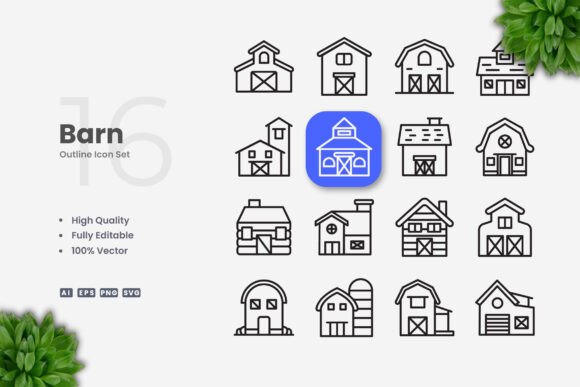
As a designer who spends more time than I care to admit staring at stitch density charts and testing thread tension, I approach every new graphic asset with a healthy dose of skepticism. The digital world is flooded with design assets that look beautiful on a screen but turn into tangled messes once they hit the hoop. That is why I am taking a close look at Barn Icons. This isn’t just another clipart file; it is a simple and clean icon design that promises versatility across websites, mobile apps, books, social media, infographics, flyers, print, banners, posters, and many more uses. But does it translate well to physical embroidery? Can it hold up in a real-world embroidery project where durability and aesthetic appeal matter?
First Impressions: Clean Lines and Visual Clarity
The moment you load Barn Icons into your digitizing software, the first thing that strikes you is its restraint. In an industry often obsessed with intricate florals or complex pictorial scenes, this machine embroidery design offers a refreshing breath of fresh air. The visual personality is modern, minimalist, and uncluttered. It creates a mood of efficiency and professionalism, which makes it incredibly versatile for branding purposes.
Because the design relies on simple shapes and clear outlines, it naturally lends itself to techniques like satin stitch for borders and running stitch for finer details. There is no need for excessive fill stitch areas that can make a garment stiff or heavy. Instead, the design feels lightweight and airy. For a craft business owner looking to create a cohesive brand identity, this kind of clean aesthetic builds immediate trust. It suggests that the product inside is high-quality and thoughtfully made.
Real-World Application: From Screen to Stitch
Let’s talk about how this actually looks when it leaves the monitor and enters the production line. Imagine you are preparing a custom embroidered tote bag design for an upcoming craft fair. You want something that appeals to a broad audience—something that isn’t too niche but still stands out on a rack of goods. Barn Icons fits this scenario perfectly. Its simplicity allows it to act as a focal point without overwhelming the canvas.
I also see tremendous potential here for sweatshirt embroidery. When working with thicker fabrics, complex designs can sometimes get lost or cause puckering. However, a clean icon sits beautifully on the chest pocket area of a hoodie or the back of a crewneck. It works equally well for apron embroidery in a boutique kitchen setting or as a subtle accent on a tea towel. The design’s adaptability means it doesn’t fight against the fabric texture; instead, it complements it.
For Etsy sellers and small shop product creators, this asset is a goldmine. You can easily adapt it for personalized gift items. Think of a monogrammed baby onesie where the icon serves as a playful background element, or a nursery decor piece where the clean lines provide a calming visual anchor. The ability to resize and change color means you can tailor the thread colors to match any seasonal theme, from pastel spring tones to deep winter hues.
Where to Use It Carefully
While Barn Icons is highly adaptable, no design is universal. There are specific scenarios where you need to exercise caution. If you are planning to stitch this onto a curved surface like a cap or a hat brim, be mindful of the distortion that occurs during the hooping process. Simple icons can sometimes appear stretched if the fabric isn’t stabilized properly.
Similarly, avoid using this design on textured fabrics like chunky knits or boucle wool. The clean lines might get obscured by the fabric’s natural irregularities, leading to a muddy appearance. Thin or stretchy fabrics also require extra attention. Without the right stabilizer, even a simple design can shift, causing misalignment. If you are aiming for a finished product that needs to withstand frequent washing, ensure that your digitizing settings account for wear and tear. Dense stitch areas, while not typical for this icon style, should be avoided if longevity is a primary concern.
Technical Considerations for the Embroidery Designer
Before committing to a full production run, there are several practical steps every professional should take. First, always test the design on scrap fabric that matches the weight and texture of your final material. This helps you gauge how the stitch density interacts with the fiber. Check the contrast between your chosen thread colors and the fabric base. A light gray icon on white fabric might lack the punch needed for visibility, whereas navy on black could offer a sophisticated tonal look.
Inspect small details closely. Even in a simple design, tiny corners or thin lines can break if the needle size is too large or the tension is off. I recommend reviewing the design in a black-and-white mockup to ensure the shape remains distinct without the aid of color. This forces you to evaluate the pure geometry of the graphics.
Furthermore, confirm whether the design works for both personal and commercial projects. While the description mentions its use in various digital and print media, verifying licensing terms is crucial before selling commercial embroidery items. If you are creating a digital embroidery file to sell alongside your finished goods, clarity on usage rights protects your business.
Final Verdict: A Versatile Tool for Modern Makers
Barn Icons earns its place in my workflow because it respects the limitations and possibilities of machine embroidery. It doesn’t try to be something it isn’t. It is a straightforward, effective tool that enhances the value of a handmade product through clarity and elegance. For the creative entrepreneur who values efficiency and aesthetic consistency, this design offers a reliable foundation.
Whether you are designing for a local boutique, scaling an online store, or crafting unique gifts for loved ones, Barn Icons provides the flexibility to adapt to changing trends without losing its core appeal. It bridges the gap between digital precision and tactile warmth, making it an excellent choice for anyone looking to elevate their embroidery project game. Just remember to prep your fabric, choose your threads wisely, and let the clean lines do the talking.